
The safest sign-offs for work email are Best, Thanks and Regards. They are short, they do not presume a relationship you do not have, and nobody has ever been offended by them. Reach for something warmer only once you know the reader.
Everything below is a table you can scan rather than a list you have to read. Pick the row that matches the situation, then check the section on what to avoid before you send it.
Professional sign-offs
| Sign-off | Use it when | What it signals |
|---|---|---|
| Best | Almost any work email | Neutral and safe. The default if you are unsure. |
| Best regards | First contact, or a formal thread | Slightly more formal than Best, without being stiff. |
| Regards | You want distance | Correct but cool. Fine for a vendor or a legal thread. |
| Kind regards | British and Irish business email | Warm and formal at once. Common in the UK, less so in the US. |
| Sincerely | Cover letters, formal complaints, first contact with a senior person | Formal to the point of old-fashioned in everyday mail. |
| Yours sincerely | You used their name in the greeting | The matching pair to “Dear Ms Okafor”. |
| Yours faithfully | You used “Dear Sir or Madam” | The British pairing for an unnamed recipient. |
| Thank you | You are asking for something or closing a favour | Grateful without being effusive. |
| Thanks | Nearly anything internal | The workhorse. Slightly less formal than Best. |
| Many thanks | A colleague who did something above the ask | Warmer than Thanks, still professional. |
| Thank you for your time | After a meeting or a review | Respectful of a busy reader. |
| Thank you for your patience | After a delay you caused | Acknowledges the wait without repeating the apology. |
| With appreciation | Recognising a specific effort | Formal gratitude. Rare enough to mean something. |
| Respectfully | A serious or sensitive matter | Careful and deliberate. Avoid in casual threads. |
| Cordially | Very formal, often legal or academic | Distant. Rare in software. |
| All the best | Wishing someone well, ending a thread | Friendly and final. Good for closing a resolved issue. |
| Best wishes | Congratulations, or a personal note at work | Warm. Slightly odd on a routine reply. |
| Warm regards | A contact you have worked with for a while | Familiar without being casual. |
| Looking forward to hearing from you | You expect a reply | Fine when you do. Presumptuous when you do not. |
| Speak soon | A standing conversation | Casual and forward-looking. Internal mostly. |
Friendly and casual sign-offs
| Sign-off | Use it when | What it signals |
|---|---|---|
| Thanks | Anything internal | The safest casual option. |
| Cheers | UK, Ireland, Australia, New Zealand | Friendly. Can read as flippant to a US enterprise reader. |
| Talk soon | A colleague you speak to often | Easy. Assumes an ongoing relationship. |
| Catch you later | Someone you actually speak to | Casual. Not for a customer you have never met. |
| Have a good one | A quick internal reply | Light. Not for a formal thread. |
| Take care | Closing after a personal exchange | Kind. Slightly final. |
| Happy to help | You answered a small request | Sets the tone of the relationship. |
| Here if you need anything | Closing a resolved thread | Warm and open-ended. |
| Let me know | You need a decision or an answer | Neutral and easy. |
| Shout if you need anything | Internal, informal team | Friendly. Too casual for a customer. |
| Hope that helps | You explained something | Common in support. Can read as dismissive if the answer was partial. |
| Enjoy the rest of your week | Thursday or Friday | Friendly filler. Fine occasionally. |
| Nice one | A colleague, UK or Australia | Casual approval. Not customer-facing. |
| Appreciate it | Someone helped you | Quick gratitude. |
| More soon | You are sending something later | Sets an expectation you have to meet. |
| Onwards | Momentum, internal | A bit of a performance. Use sparingly. |
Best and All the best work in both tables. That is the point of them.
Sign-offs by situation
| Situation | Sign-off | Note |
|---|---|---|
| First reply to a new customer | Best | Anything warmer reads as presumptuous on a first contact. |
| Following up on silence | Thanks | The follow-up itself carries the pressure. Do not add more in the sign-off. |
| Apologising for a mistake | Thank you for your patience | Let the body carry the apology. The sign-off should not repeat it. |
| Closing a resolved thread | All the best | Signals the thread is finished without saying so. |
| Asking a favour | Thank you | Gratitude up front. Skip “thanks in advance”, which assumes agreement. |
| Chasing a colleague | Thanks | Short is kinder than elaborate when someone owes you something. |
| Declining a request | Best regards | Neutral. A warm sign-off on a no reads as mixed signals. |
| Handing over to a colleague | Best | Introduce the handover in the body, then close plainly. |
| Replying to an angry customer | Sincerely | Deliberate and calm. Casual closings inflame. |
| Applying for a job | Yours sincerely | The formal pair, if you named them in the greeting. |
What to avoid
| Avoid | Why |
|---|---|
| Sent from my iPhone | Reads as “this was not worth my laptop”. Fine from a founder, careless from a support address. |
| Please hesitate to reach out | Typos here undercut the whole message. |
| Multiple exclamation marks | One is a choice. Three is a mood. |
| Emoji in a first customer reply | Read as informal or automated by a lot of buyers. Save them for a thread that has gone casual. |
| Cheers to a US enterprise reader | Not rude, but it reads as unfamiliar. |
| Yours faithfully with a named recipient | The pairing is wrong and British readers notice. |
| Regards on its own, repeatedly | Correct every time, warm never. Vary it. |
| No worries | Implies there was something to worry about. |
| Thanks in advance | Assumes the answer is yes. |
| Looking forward to hearing from you, when you are not | Hollow. |
| Best, with nothing after it | A sign-off with no name reads as unfinished. |
Punctuation. US style puts a comma after the sign-off: Best, then your name on the next line. British style
often leaves the comma out. What matters more than either convention is consistency inside one thread. Do not
follow the sign-off with a full stop, and do not run it onto the same line as your name.
The sign-off on a shared inbox
Everything above assumes one person sending from their own mailbox. Support addresses break that assumption. When
four people answer support@, the sign-off stops being a personal style choice and becomes part of how the team
sounds.
Three decisions worth making once, rather than per reply:
- Is it one voice or several? A customer writing to
support@is writing to a company, not to Dana. Either the whole team closes the same way, or every reply names the person who sent it. Mixing the two is what makes a shared address feel inconsistent. - Does the sign-off name a person? Naming someone is friendlier and makes the next reply easier to route. It also means the customer may write back to that person directly, so someone has to watch for it.
- Where does the signature live? If the sign-off is part of a per-inbox signature rather than typed each time, nobody has to remember it and a new teammate inherits the house style on their first day.
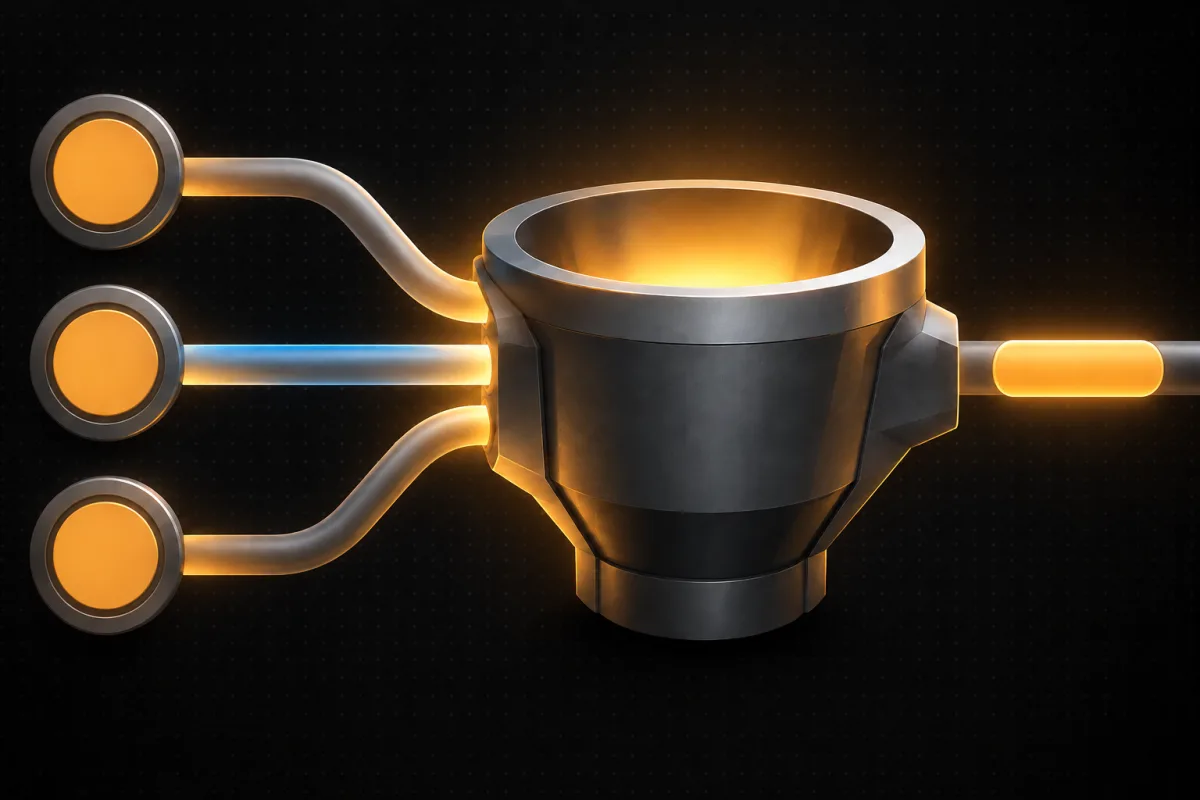
Chirp sets the From name and signature per inbox, so a shared address sends one consistent sign-off no matter who is
at the keyboard. Each inbox can also carry its own colour, which makes it obvious in the list whether a reply went
out as support@ or billing@.
FAQ
What are the best email sign-offs? Best, Thanks and Regards cover almost everything. Add Best regards for a first contact and Kind regards if you are writing to a British reader.
What can I say instead of signing off? You can end on the last sentence of the body and put your name under it. That works when the message is short and a formal closing would feel heavy. It reads as brisk rather than rude, which is usually the intent.
How do Gen Z sign off emails? There is no separate set of rules. Short, lower-case closings belong in chat, not in mail a customer reads. In work email the conventions above hold regardless of who is sending.
Should there be a comma after the sign-off?
In US style, yes: Best, followed by your name on the next line. British style often drops it. Pick one and use it
consistently across the team.
What goes between the sign-off and my name? One line break. Not a full stop, not a comma at the end of the name, and not the same line.
Deciding it once
If you share an address, decide the sign-off once and put it in the inbox settings rather than in each person’s head. What a collaborative inbox is covers the rest of the setup, and CC and BCC covers who sees the reply when it goes out.